I grew up in Himara. My father ran a small boat that took tourists to the caves south of town, and in August the harbour was so packed you could walk from one end to the other without getting your feet wet. This was considered good for business. It was not good for anything else.
The Albanian Riviera — the stretch of Ionian coastline running from the Llogara Pass to the Greek border — is genuinely beautiful. It is also, in July and August, genuinely unpleasant in a way that takes new visitors by surprise. The water is still clear. The mountains behind are still there. But between you and the water there is everything else: the parked cars, the plastic sunbeds rented for prices that went up every year, the music from competing bars starting at eleven in the morning, the traffic that makes the road through Dhermi take forty minutes instead of four.
“Locals drive to the coast in June and September. In August, we stay home.”
The honest calendar
Late May and early June are the Riviera's best weeks. The water is cold — genuinely cold, not refreshing-cold but cold-cold, somewhere around 18 degrees — but the coast is quiet enough that you can hear it. The wildflowers are still on the hills. The restaurants, which in August operate at a pace of controlled panic, actually cook properly. Rooms that cost €180 a night in August cost €60. The road through Llogara, which in high season requires the patience of someone who has decided to accept everything that happens to them, takes twenty minutes.
September is the other window. The water has had all summer to warm up and sits at a comfortable 24-26 degrees. The crowds leave after the first week, which is still crowded, but by the second and third weeks of September the beaches at Palasë and Gjipe feel like they did ten years ago — not empty exactly, but uncrowded in a way that lets you forget other people exist.
Where to actually stay
Sarandë is the largest town on the southern coast, which means it has the most infrastructure and the least charm. It is useful as a base for Butrint and for the ferry to Corfu. It is not where you want to spend your evenings. Ksamil, a few kilometres south, has the best beaches in the country — three small islands you can swim to, water the colour of a travel advertisement — but it is overrun in summer and has sold itself to a version of tourism that prioritises turnover.
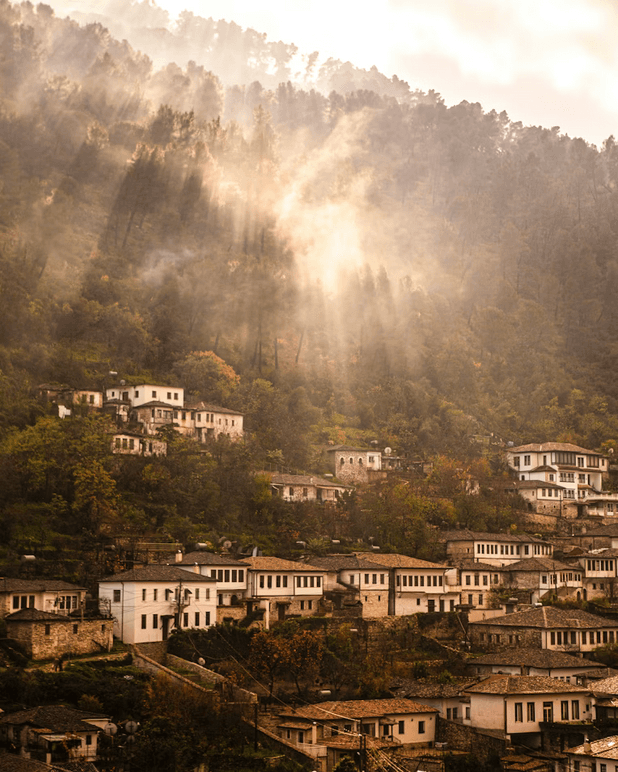
Himara is where I would send anyone who wants to actually understand the coast. It is large enough to have a functioning town life, small enough that the restaurants remember you by your second evening. The old village above the new town has Ottoman houses overlooking the sea at a distance and angle that makes the view feel earned rather than packaged.
Dhermi has the beach. Palasë, just north, has the beach without Dhermi's prices. Gjipe, reachable only by a thirty-minute walk down a gorge, has a beach that requires enough effort to reach that the people who make it there tend to be the kind of people you want to share a beach with.
The Llogara Pass
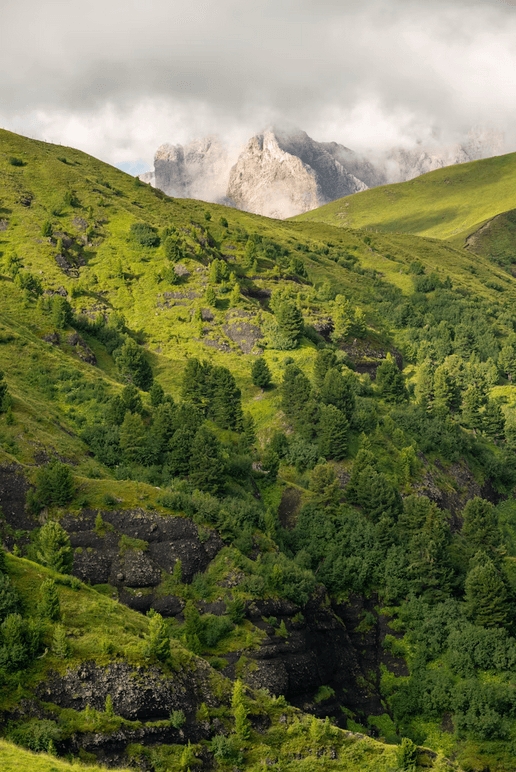
Whatever month you come, drive the Llogara Pass. The road climbs from sea level to 1,027 metres in a sequence of hairpin turns that takes you from Mediterranean scrub through pine forest into something that feels like a different country, because it is — the climate on the mountain top is alpine, cold enough for a jacket in June, and on the way down the other side the Ionian opens up below you in a view that has made people stop their cars for as long as cars have existed to stop.
The restaurants at the top sell roast lamb and a local yoghurt thickened to the consistency of cream cheese. Eat there. Give yourself an hour. The tourists who rush this part always come back and say it was the thing they most regret rushing.
Ermal Çela was born in Himara and has guided coast tours for eleven years. He is biased but accurate.